


.jpg)
Efficient Construction Project Management Tips for Success
Managing a construction project can feel like juggling many balls at once. From timelines to budgets, teams to materials, every detail matters. I’ve learned that efficient project management is the key to keeping everything on track and delivering quality results. Whether you’re overseeing a small renovation or a major build, these tips will help you stay organized, reduce stress, and get the job done right.
Mastering Efficient Project Management in Construction
Efficiency in construction project management means using your resources wisely and avoiding unnecessary delays or costs. It starts with clear planning and continues through every phase of the project. Here are some practical ways to boost efficiency:
Set clear goals and expectations: Define what success looks like from the start. This includes deadlines, budget limits, and quality standards.
Create a detailed project plan: Break the project into phases with specific tasks and deadlines. Use tools like Gantt charts or project management software to visualize progress.
Communicate regularly: Keep everyone in the loop. Regular meetings and updates prevent misunderstandings and keep the team aligned.
Manage risks proactively: Identify potential problems early and have backup plans ready.
Track progress and adjust: Monitor the project closely and be ready to make changes if things aren’t going as planned.
By focusing on these areas, you can avoid common pitfalls like cost overruns, missed deadlines, and poor workmanship.
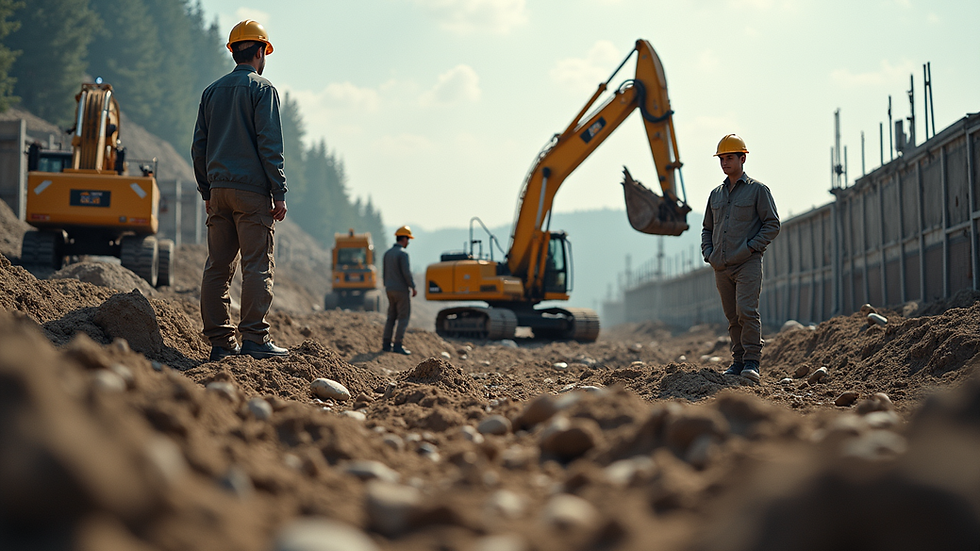
Active construction site demonstrating efficient project management in action
Is construction PM a stressful job?
Yes, construction project management can be stressful. The role demands constant attention to detail, quick decision-making, and juggling multiple priorities. Deadlines are tight, budgets are strict, and unexpected issues often arise. Here’s why it can be challenging:
High responsibility: You’re accountable for the entire project’s success.
Complex coordination: Managing subcontractors, suppliers, and clients requires strong communication skills.
Unpredictable factors: Weather, supply delays, or design changes can disrupt plans.
Pressure to deliver quality: Cutting corners is not an option, so quality control is critical.
Despite the stress, many find the role rewarding because they see their efforts turn into tangible results. The key to managing stress is staying organized, delegating tasks, and maintaining open communication.
Practical Tips to Streamline Your Construction Project
To keep your project running smoothly, here are some actionable tips I recommend:
Use technology to your advantage
Project management software can simplify scheduling, budgeting, and communication. Tools like Procore, Buildertrend, or even simple spreadsheets help you track everything in one place.
Build a reliable team
Choose subcontractors and suppliers with proven track records. Trustworthy partners reduce delays and quality issues.
Prioritize safety
A safe site prevents accidents that can halt work and increase costs. Regular safety training and inspections are essential.
Keep documentation organized
Maintain clear records of contracts, change orders, permits, and inspections. This helps avoid disputes and keeps the project transparent.
Plan for contingencies
Always have a buffer in your schedule and budget for unexpected events. This flexibility can save your project from major setbacks.
Regularly review progress
Weekly site visits and status meetings help catch problems early and keep everyone accountable.
By applying these tips, you’ll create a smoother workflow and reduce surprises.

Digital timeline helping track construction project milestones efficiently
How to Manage Budgets Without Compromising Quality
Budget management is one of the toughest parts of construction projects. You want to deliver excellent results without overspending. Here’s how I handle budgets effectively:
Start with a realistic estimate: Use detailed quotes and past project data to set a practical budget.
Break down costs: Separate labor, materials, permits, and contingencies. This helps identify where savings are possible.
Monitor expenses closely: Track spending daily or weekly to catch overruns early.
Negotiate with suppliers: Building good relationships can lead to discounts or better payment terms.
Avoid unnecessary changes: Scope creep can quickly inflate costs. Stick to the plan unless changes are essential.
Invest in quality materials: Cheaper materials may save money upfront but can lead to costly repairs later.
Balancing cost and quality is about smart planning and constant vigilance. When you manage your budget well, you build trust with clients and stakeholders.
Why Choosing the Right Location Matters
Location impacts every aspect of your construction project. It affects logistics, costs, and even the final value of the property. For projects in the UK, especially in busy areas like London, understanding local regulations and market conditions is crucial.
If you’re working in or near London, consider partnering with experts in construction project management london to navigate the unique challenges of the area. They can help with permits, local suppliers, and compliance with building codes.
Choosing the right location also means thinking about:
Accessibility for workers and deliveries
Availability of materials nearby
Environmental factors like soil quality and weather
Community impact and planning permissions
Taking these into account early saves time and money down the line.
Building Strong Relationships for Project Success
Construction projects involve many people - clients, architects, engineers, contractors, and suppliers. Building strong relationships with all parties is essential for smooth project delivery.
Here’s how I foster good working relationships:
Be transparent: Share information openly and honestly.
Listen actively: Understand concerns and feedback from your team and clients.
Respect deadlines and commitments: Show reliability by meeting your promises.
Encourage collaboration: Create a team environment where everyone feels valued.
Resolve conflicts quickly: Address issues before they escalate.
Strong relationships lead to better communication, fewer mistakes, and a more positive work environment.
Final Thoughts on Efficient Project Management
Efficient construction project management is about planning, communication, and adaptability. By setting clear goals, using the right tools, managing budgets carefully, and building strong teams, you can deliver projects that meet expectations and stand the test of time.
Remember, every project is unique. Stay flexible and keep learning from each experience. With these tips, you’re well on your way to managing construction projects confidently and successfully.
If you want to explore more about how expert management can improve your next build, consider reaching out to professionals who specialize in your area. Their local knowledge and experience can make all the difference.


Comments